Warframe came out in 2013 and is still in active development. That gives it a reputation that cuts both ways: it’s one of the most generous free-to-play games around, and also one of the most confusing to start. If you’re thinking about starting from zero, here’s what that actually means.
What Warframe is
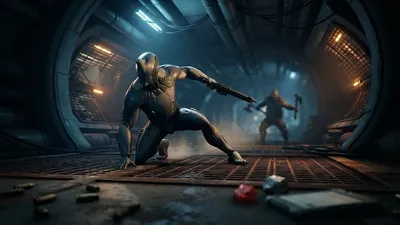
Warframe is Digital Extremes’ free-to-play third-person action game. You play as a Tenno wearing a Warframe, a customizable biomechanical suit, and fight across space stations, planets and open-world zones with fast movement-heavy combat. It’s on PC, PlayStation, Xbox, Nintendo Switch and iOS, and it keeps getting new Warframes, weapons and story content on a regular schedule.
Why it’s worth starting
It’s genuinely free-to-play. Warframes, weapons and mods can all be earned through play. The premium currency, Platinum, can also be traded between players, so a patient free player can get premium items by selling things they’ve farmed.
The movement and combat hold up. Warframe’s fast, acrobatic movement still feels distinctive, and it’s the part that hooks most players who stick around.
There’s an enormous amount to do. More than a decade of missions, open-world zones, story quests and Warframes means you won’t run out of goals for a very long time.
It respects your pace. There’s no daily energy limit stopping you from playing as much as you want in one sitting.
Why it’s hard to start
The learning curve is steep and unclear. Ten-plus years of systems are all active at once: mods, the Star Chart, Focus, open worlds, crafting timers, syndicates. The game doesn’t always explain which ones matter right now. Our beginner guide exists for exactly this.
Mods matter more than new players expect. A weapon’s power comes mostly from its mods, not its base stats. Many new players stall because they never upgrade their key mods. See our modding priorities guide.
Crafting takes real time. Many Warframes and weapons have real-time build timers. You can rush them with Platinum, but patience works too.
The story starts slowly. Some of the game’s best moments come well after the opening hours, once you’ve progressed through the Star Chart. Our guide on what changes after the Star Chart explains why it’s worth getting there.
Who should start
- You enjoy fast third-person action and building up a large collection of gear over months.
- You’re fine using guides and the community wiki to learn systems.
- You want a game with no forced daily limits and almost everything earnable through play.
Who should skip it
- You want a tight, guided campaign you can finish.
- You get frustrated when a game doesn’t explain its systems.
- You only want short, self-contained sessions with no long-term progression.
How to survive the first weeks
- Follow the main progression through the Star Chart, not every side system at once.
- Upgrade a few strong mods early instead of spreading resources thin.
- Start long crafting timers before you log off, so they finish while you’re away.
- Don’t spend your starting Platinum on rushing builds. Inventory slots are usually the better use.
- On PC, use our Warframe PC settings guide to keep movement smooth. A stable frame rate matters more than maximum detail in a game this fast.
Bottom line: in 2026, Warframe is still one of the best-value free games you can start, if you’re willing to push through a confusing first few weeks. If that’s the part you dread, take it slowly and use a guide.
Sources
Facts in this guide were checked against these pages in October 2026:
- Warframe official website (Digital Extremes)
- Warframe on Steam
- WARFRAME (Warframe Wiki: platforms and release dates)
- Platinum (Warframe Wiki: trading Platinum between players)